Make the most of your teacher training.
Most graduates finish a 200h and still don't feel ready to teach. PranaPath helps with that stretch: sequence feedback, cueing practice, philosophy, and anatomy in one place.
Teaching Precision
Live Transcript
"...now just lift your chest up and reach back for your heels..."
Breath Instruction
"Beautiful alignment with breath. You correctly included: 'Inhale to lift the heart'."
Elevate Your Language
Stable foundation cueing through the shins.
Emphasize the internal rotation of the thighs.
Lineage in Motion
Bridging ancient form with anatomical precision.
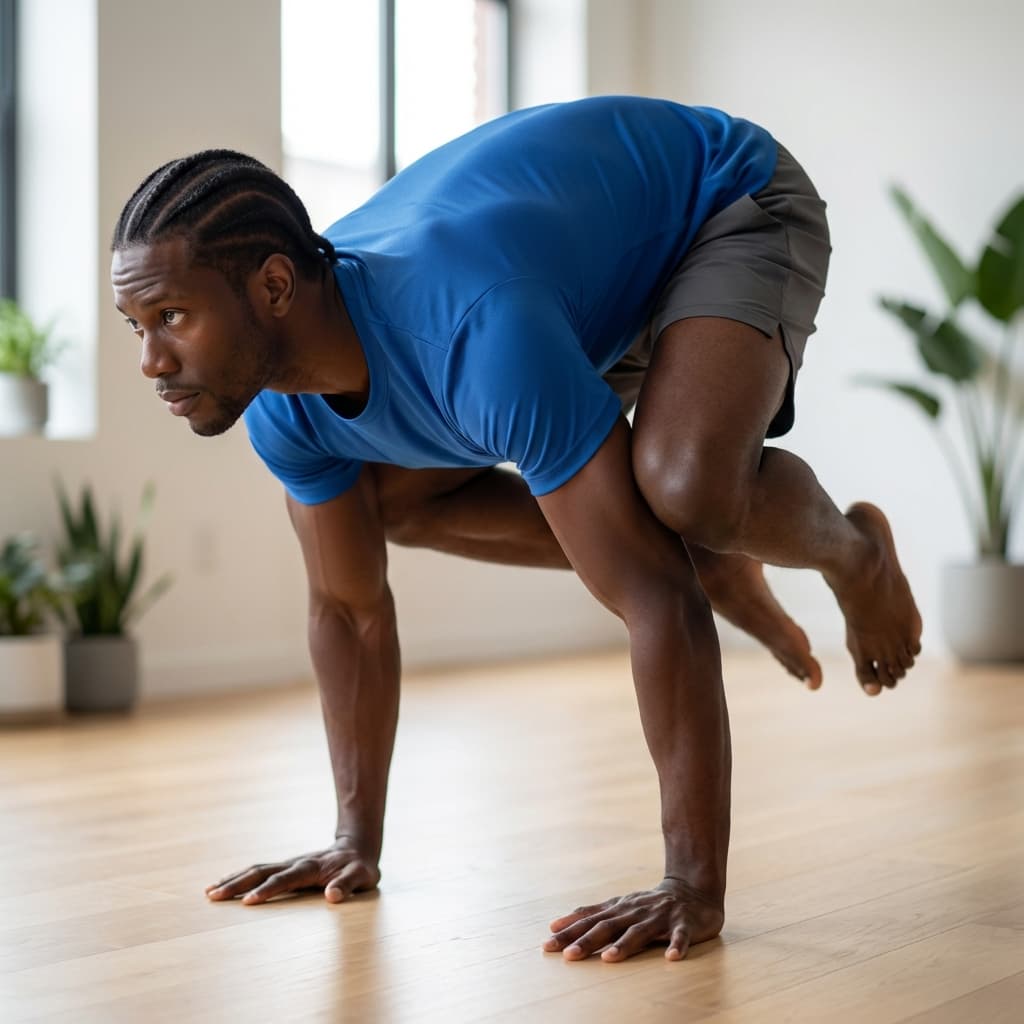
Human Demonstration
Precision in Balance
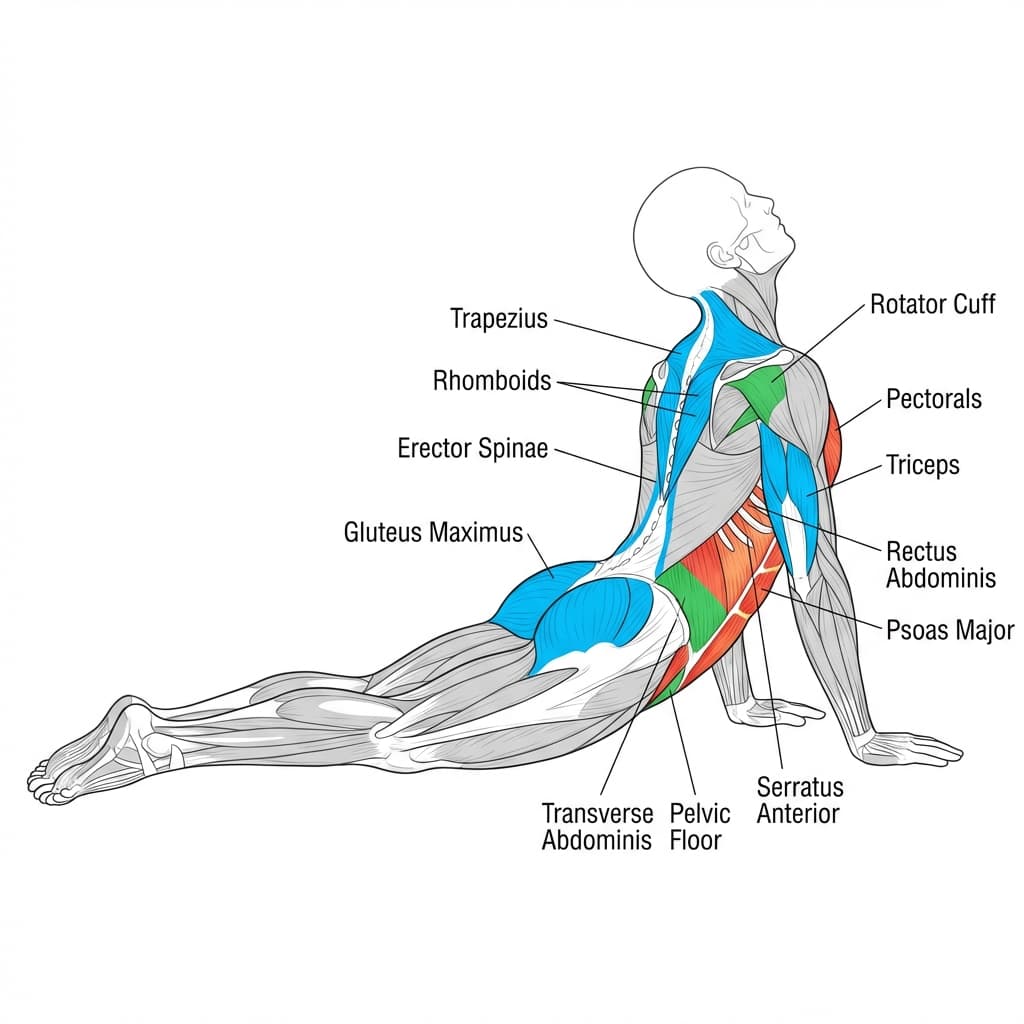
Skeletal View
Anatomical Insight
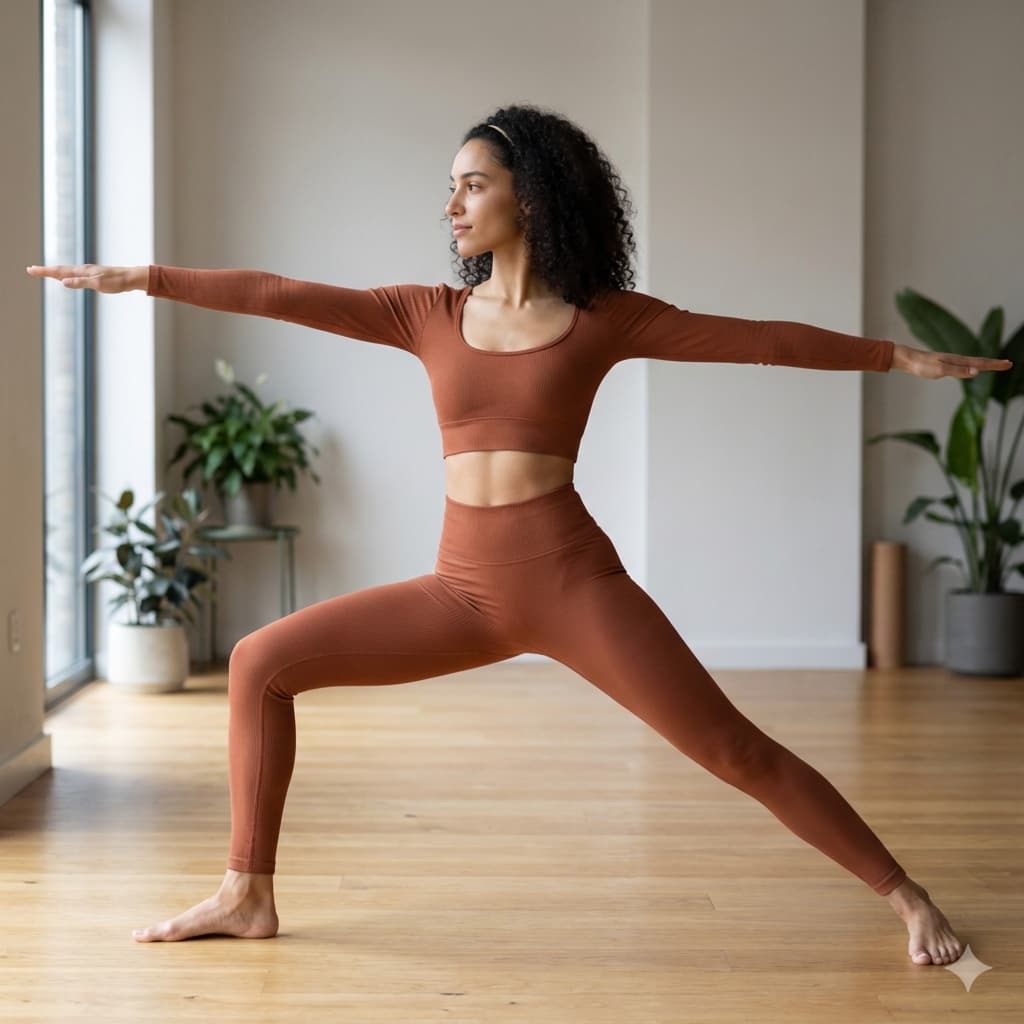
Classic Lineage
Rooted Strength
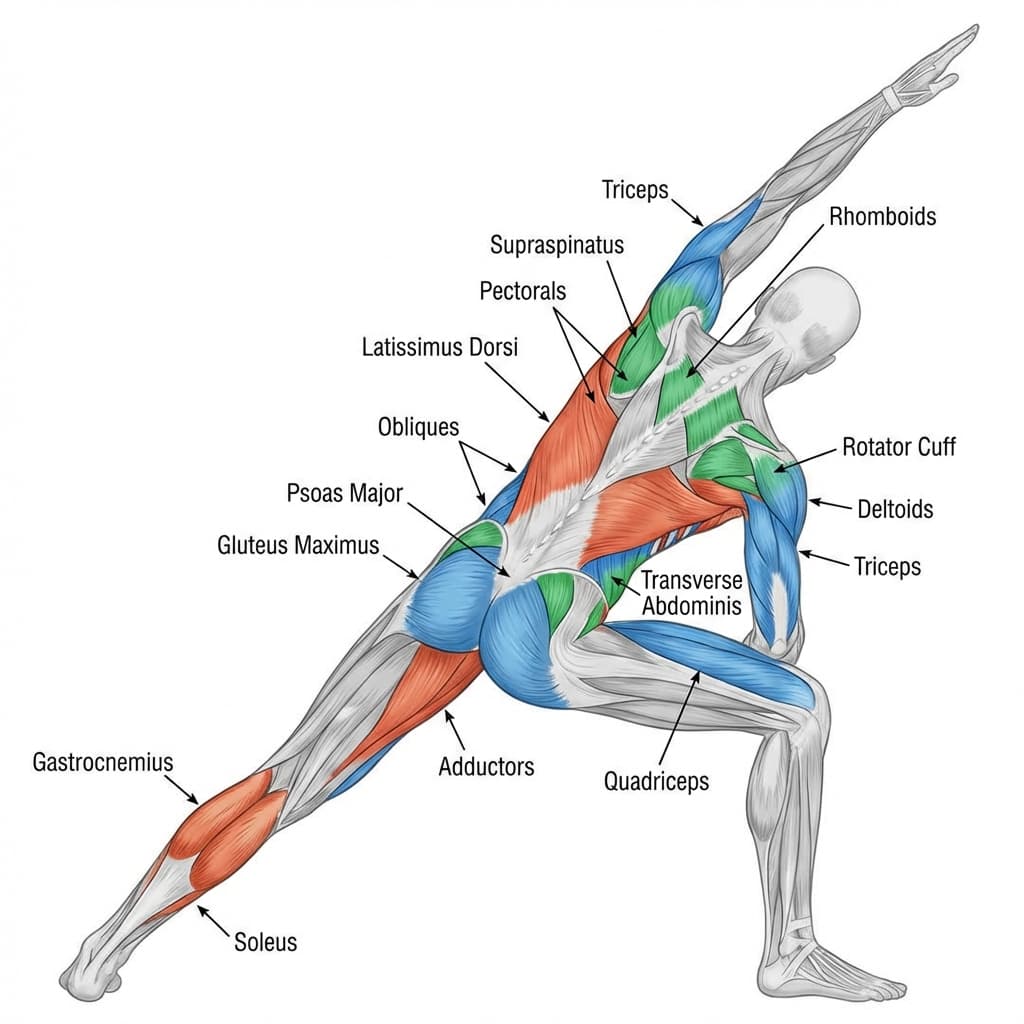
Muscle Activation
Functional Stability
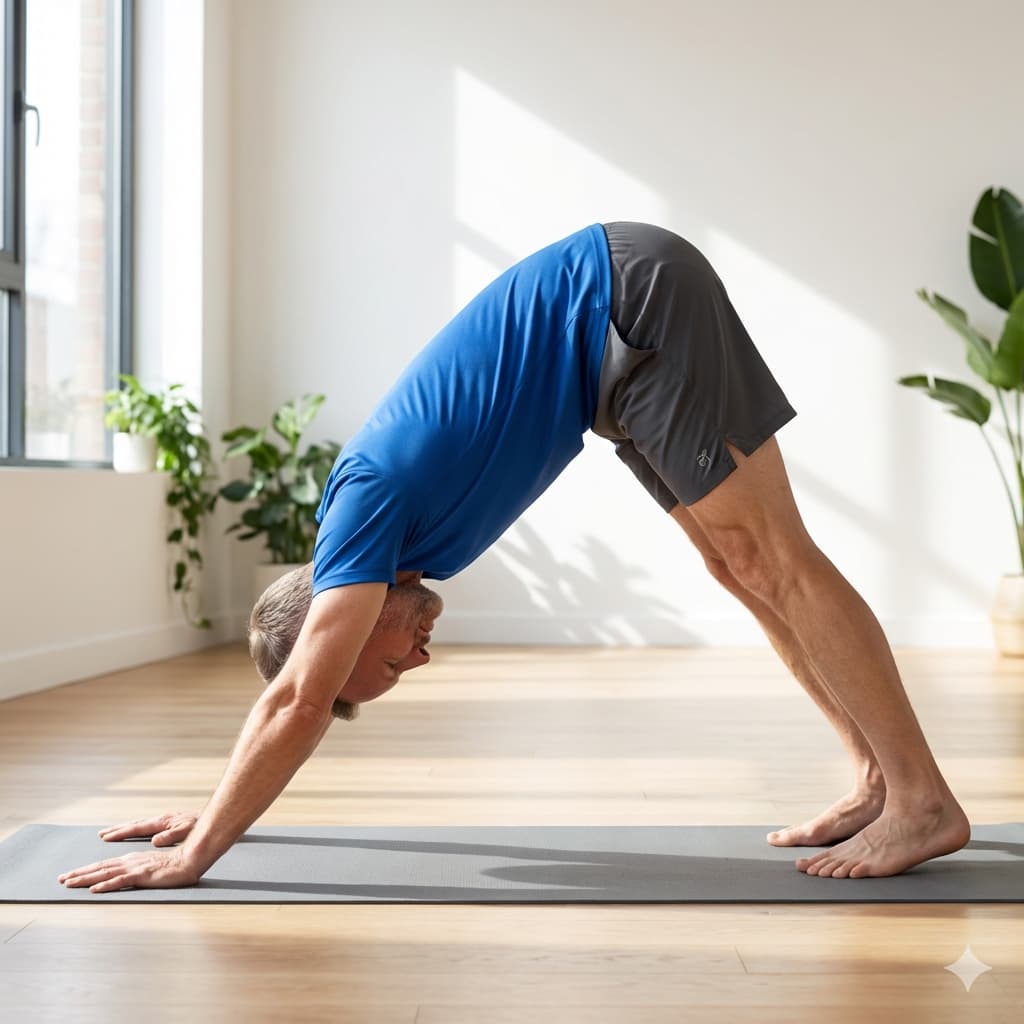
The Foundation
Sacred Geometry

Equilibrium
Grace in Stillness
The feedback doesn't stop when the training does.
During your training, you have something invaluable: teachers who watch you, correct you, and build your confidence in real time. That feedback is what transforms knowledge into readiness.
Then the training ends, and most new teachers are left to figure it out alone: building sequences in a vacuum, second-guessing their cues, unsure whether what they learned is turning into good teaching. PranaPath stays with you through that stretch, so the feedback doesn't stop at graduation.
Sequence Analysis
Submit a sequence and get feedback on safety, flow, timing, and whether the arc is complete.
Your Study Companion
Ask questions about practice, philosophy, anatomy, or teaching, and get answers grounded in yoga education rather than internet noise.
"I especially love the part about ensuring students have adequate hip flexor release before arm balances — I wouldn't have thought of this one to be honest."
Sequence analysis
Upload or type a yoga sequence and get feedback on every part of your class plan.
Safety
Are there adequate warm-up poses? Are transitions safe? Are contraindications addressed?
Flow & Logic
Does the sequence build intelligently toward the peak pose? Is the arc complete?
Timing
Realistic time estimates so your 60-minute class actually fits in 60 minutes.
Suggestions
Specific recommendations with the reasoning behind them, like "Consider a held Low Lunge before arm balances to release the psoas."
Practice Cueing
Every asana in our library includes detailed cueing guidance to help you teach with precision and confidence.
Entry & Exit Instructions
Step-by-step guidance for safely moving into and out of each pose.
Alignment Cues with Anatomical Context
Understand not just what to say, but why it matters for the body.
Modifications & Variations
Options for different levels and body types, with clear instruction.
Sanskrit with Pronunciation Guide
Build confidence in traditional terminology with clear breakdowns.
Learning yoga is already hard. Sanskrit shouldn't make it harder.
Sanskrit names, chants, and philosophical terms run through teacher training, but most students are expected to absorb them on the side. We've built tools that break down each word so you understand what you're saying rather than memorising the sound of it.
Word Breakdown
Trikoṇāsana
Triangle Pose
"When you understand what a word means, you stop guessing and start remembering."
A study companion, never a replacement
No app can replace a human yoga teacher.
The relationship between teacher and student is the foundation of the Gurukula tradition that has carried yoga's wisdom across millennia. In the Gurukula, a student lived alongside their teacher, learning through presence, observation, and lived example as much as through instruction. The teacher saw the whole student, their body and breath and struggles and readiness, and adapted guidance accordingly.
PranaPath exists to support this relationship, not substitute it. We encourage every practitioner to find a studio, build a relationship with their teachers, and commit to regular, in-person practice.
Where we help is in the spaces between. When you're practicing at home and need guidance on a sequence, when you want to go further into anatomy or philosophy, or when you're preparing for your next class and want structured feedback. Think of PranaPath as the friend who studied alongside you: there when you need a thought partner, and always pointing you back to your teacher and your mat.
Practice Paths
A progressive, stage-by-stage approach to deepening your personal asana practice. Inspired by the traditional Gurukula model of readiness-based progression.
| Stage | Sanskrit | Meaning | What It Looks Like |
|---|---|---|---|
| 1 | Jnana (ज्ञान) | Knowledge | You understand the pose, its alignment, anatomy and contraindications |
| 2 | Abhyasa (अभ्यास) | Practice | You're working with preparatory poses and modifications |
| 3 | Prayatna (प्रयत्न) | Effort | You can enter the full pose with conscious effort |
| 4 | Sthairya (स्थैर्य) | Steadiness | You hold the pose with stability, still working |
| 5 | Sthira Sukham Asanam (स्थिर सुखम् आसनम्) | Steady & Comfortable | Effort dissolves into ease. The pose is yours. |
Not every asana requires all five stages. Tadasana might need two. Mayurasana might need all five with sub-steps. The destination is always the same, and only the path length differs.
Philosophy & Knowledge Base
Explore the intellectual and spiritual backbone of yoga, with clear explanations.
Pranayama
Breathing techniques with clear instruction and traditional context
ExploreChakras
The seven energy centers and their role in practice
ExploreMudras
Hand gestures that direct energy and deepen meditation
ExploreBandhas
Energy locks for breath control and inner stability
ExploreSanskrit Guide
Pronunciation and meaning of key yoga terms
ExploreYamas & Niyamas
The ethical foundations that guide yoga practice
ExploreDoshas
Ayurvedic body types and their connection to practice
ExploreGunas
The three qualities of nature in yoga philosophy
ExploreBuilt on Yamas & Niyamas
Every feature we build, every decision we make, is guided by the ethical foundations of yoga itself.
Ahimsa (Non-Harm)
No features that create comparison or competition between practitioners. No follower counts. No public rankings. Your practice is yours.
Satya (Truthfulness)
Every piece of content is rooted in real yoga education and honest teaching. No shortcuts. No "master headstand in 7 days."
Asteya (Non-Stealing)
We respect teachers' intellectual property. We give proper attribution. We never replace the teacher–student relationship; we support it.
Brahmacharya (Right Use of Energy)
We don't create addictive engagement loops. The app should inspire you to close the screen and get on your mat.
Aparigraha (Non-Possessiveness)
Knowledge should be accessible. We keep essential learning free and price our tools fairly.
Saucha (Purity)
Clean, distraction-free design. No ads. No noise.
Santosha (Contentment)
We celebrate where you are in your practice, not where you think you should be.
Tapas (Discipline)
We encourage consistent practice through structure and gentle accountability.
Svadhyaya (Self-Study)
Self-study is the heart of everything we build. Reflect, learn, grow.
Ishvara Pranidhana (Surrender)
We remind you that mastery isn't the point. The practice is the point.
Ready to deepen your practice?
Start with sequence analysis. It's free, and no account is required.
Try Sequence Analysis